

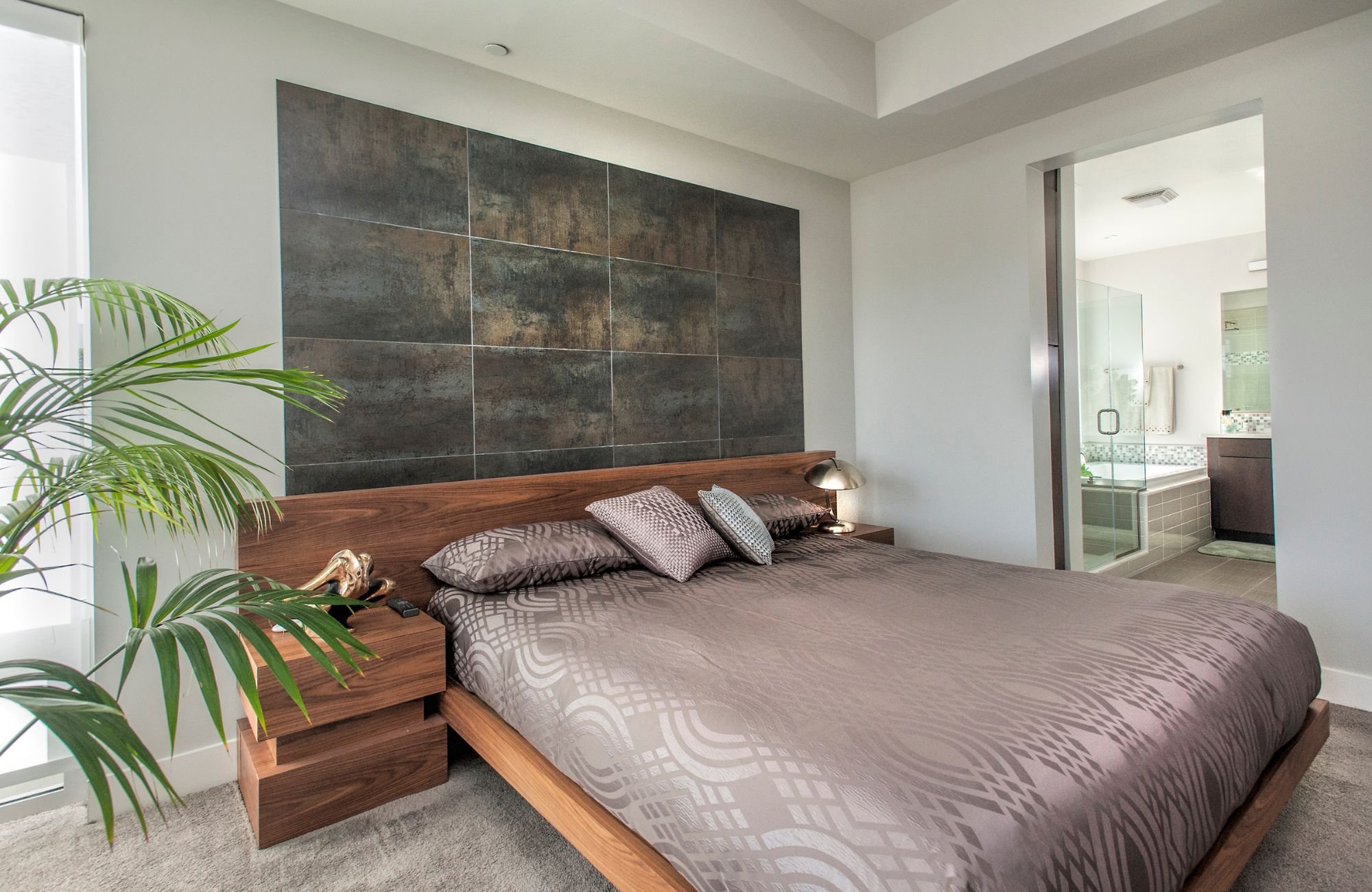
My client Tracy once described her living room to me in exactly one word: boring. There wasn't anything actually wrong with it. The furniture wasn't dated, the paint wasn't offensive, nothing was broken. It simply didn't feel like a space where she wanted to spend time, and she couldn't explain why. We kept the same footprint and worked within the exact investment she came to me with, and by the end, it had become the room her whole family actually used.
What changed wasn't a bigger sofa or a bolder color. It was scale and proportion, two things that almost never come up in casual conversation about a room, but explain more about why a space feels right or wrong than nearly anything else I know.
Scale: Getting the Size Relationships Right
Scale is how the size of an object relates to the room around it, and to the other pieces sitting in it. A coffee table that's perfectly sized for a small den can look completely lost in a great room with high ceilings. A sofa that reads as substantial on a showroom floor can suddenly feel oversized once it's up against a narrower wall than the one it was staged on.
This is one of the trickier things to judge without training, mostly because individual furniture pieces tend to look fine almost anywhere. The trouble only shows up once several pieces land together in the actual room, competing for the same visual space. That's an incredibly hard thing to catch from a showroom or an online listing, and it's one of the most common reasons a newly furnished room still feels a little off.
Proportion: How the Parts Relate to the Whole
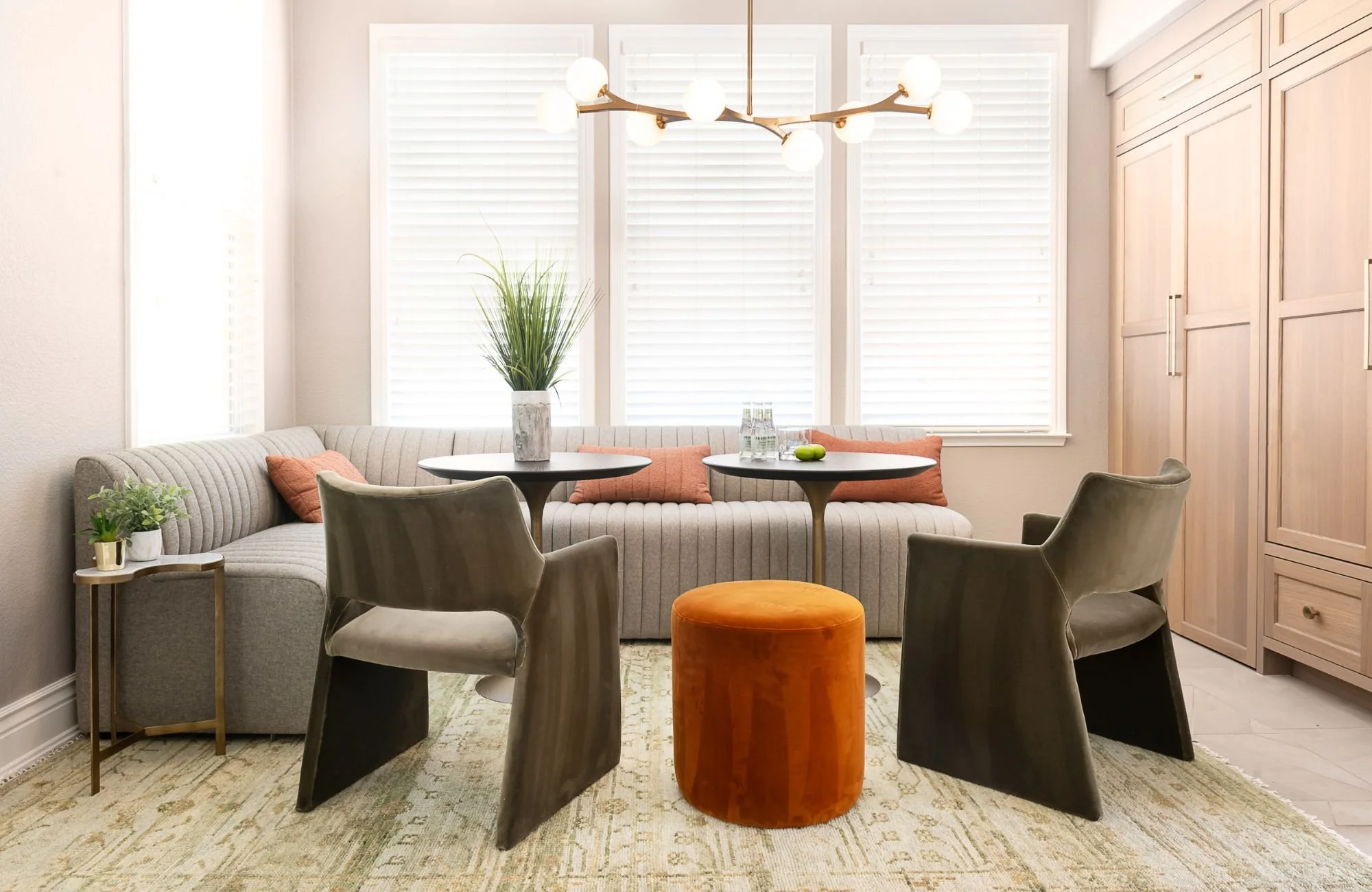
Proportion takes it a step further than scale. It's not just whether a piece is the right size for the room. It's whether the relationships between all the pieces feel balanced together. A tall, narrow lamp next to a low, wide sofa can feel disconnected even when both pieces are beautiful individually. An oversized rug under undersized furniture can make an entire room feel like it's floating instead of grounded.
When I'm designing a room, I spend real time working through these relationships before anything gets ordered: how a chandelier's width compares to the table underneath it, how a piece of art scales against its wall, how a sectional's depth compares to the walking space left around it. None of these show up as one big decision. They add up quietly, across dozens of smaller ones.
Why This Is So Hard to See From Inside Your Own Room
This is what made Tracy's living room such a memorable project for me. She wasn't missing effort or taste. Every piece she'd chosen was genuinely lovely. What she was missing was the ability to step back and see the room as a set of relationships instead of a collection of individual choices, which is an almost impossible thing to do when you're standing inside that space every single day.
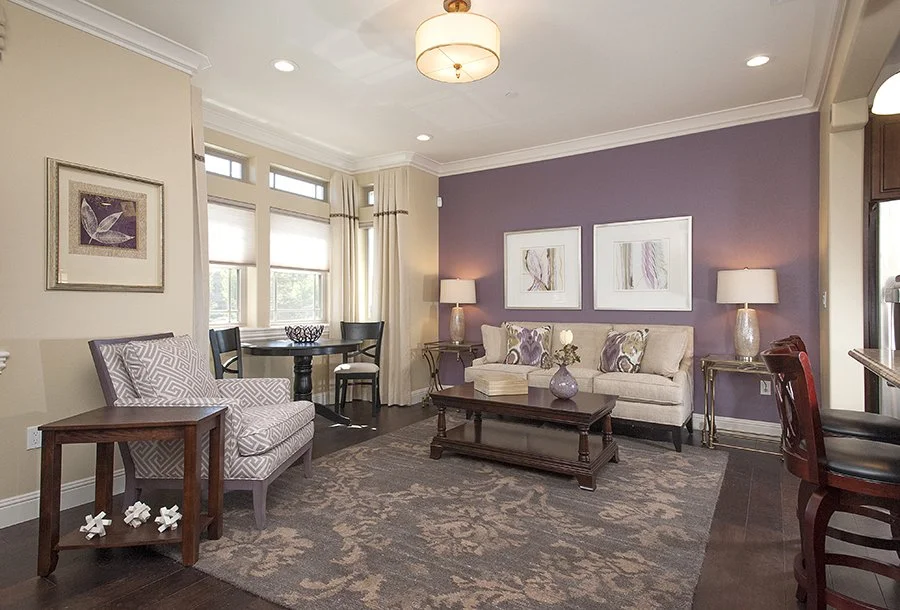
That's really the value of a trained eye in a room like hers. It's not about finding better furniture. It's about understanding how the furniture you already love needs to relate to everything around it before the whole room can finally feel resolved.
If your space has good pieces in it and still feels a little off, that gap is almost always smaller than it seems, and it's one of my favorite things to work through with a client. Reach out to me, and let's talk about what's not quite landing in your room.
Warmly,
Kelly